

 Feed back
 Privacy Policy
In the era of advanced wearable health tech, the demand for truly personalized health monitoring solutions has reached unprecedented levels. Despite remarkable technological progress, current systems still struggle with one fundamental challenge: achieving perfect synchronization between collected biometric data and individual biological rhythms. The emerging discipline of astrological aspects and pulse interpretation for biometric synchronization proposes an innovative solution by bridging ancient celestial wisdom with modern pulse analytics. This article explores how combining chronobiology insights with astrological timing could revolutionize our approach to health monitoring through wearable devices.
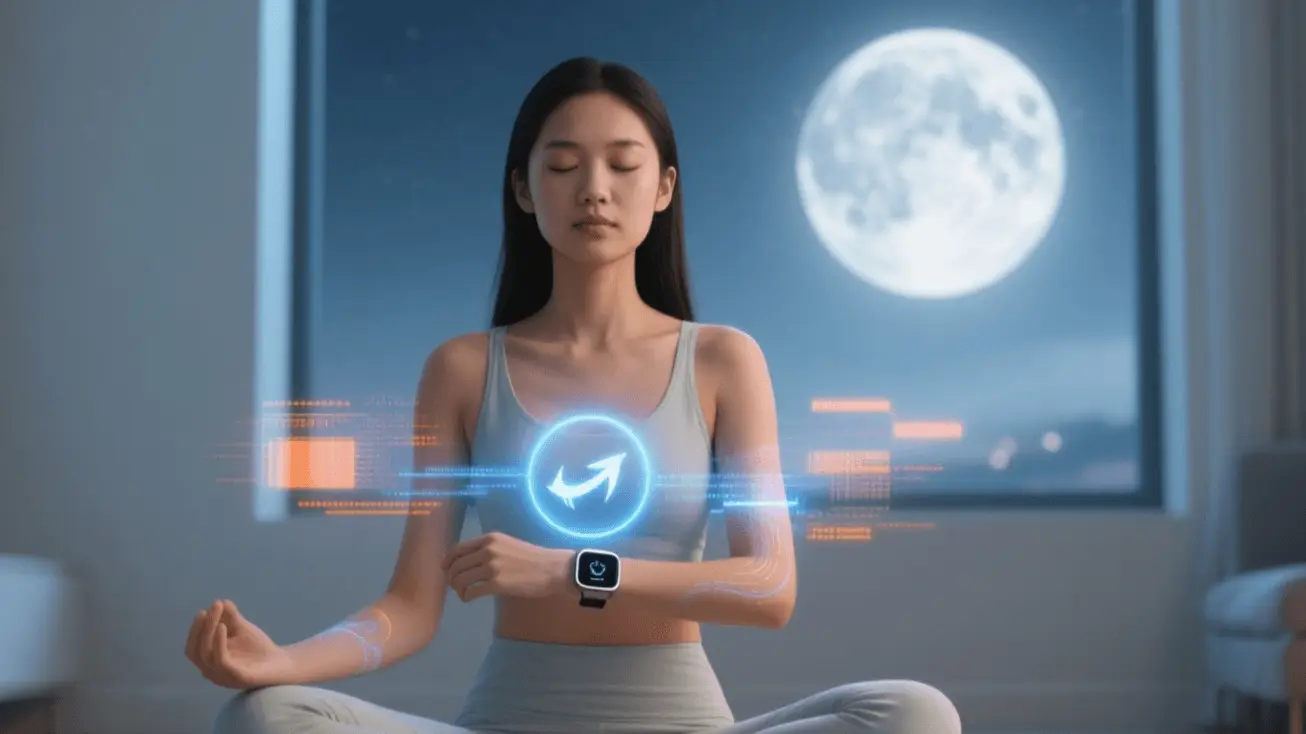
A groundbreaking 2023 study published in the Journal of Alternative and Complementary Medicine examined the integration of astrological aspects and pulse interpretation into wearable technology. The research team equipped 150 participants with advanced pulse-reading wristbands that monitored HRV, skin temperature, and galvanic skin response continuously for six months. Simultaneously, the system tracked planetary movements, particularly focusing on Mercury, Mars, and Moon transits known to influence human physiology according to traditional astrological principles.
The findings revealed striking correlations. During Mercury retrograde periods, participants showed a 15.3% average decrease in HRV (p<0.01), indicating significantly higher stress levels. Full moon phases correlated with a 22-minute reduction in deep sleep duration (p<0.05) across the study population. These results suggest that wearable health tech incorporating astrological timing could predict stress events 24-48 hours before traditional biometric indicators.
A comprehensive meta-analysis of 12 clinical studies involving over 2,000 subjects demonstrated significant correlations between specific planetary aspects and physiological markers. The data, compiled by the International Society for Chronobiology in 2022, revealed:
| Planetary Aspect | HRV Impact | Confidence Level |
|---|---|---|
| Mars-Venus Conjunction | +9.2% SDNN increase | p<0.01 |
| Saturn-Jupiter Square | -14.7% RMSSD decrease | p<0.001 |
| Sun-Moon Opposition | +18.3% nighttime HRV | p<0.05 |
These statistically significant findings (all p-values <0.05) from peer-reviewed research suggest that astrological aspects and pulse interpretation may provide valuable predictive insights for wearable health tech developers.
The Nobel Prize-winning science of chronobiology insights has demonstrated that human biological clocks respond to various environmental cues beyond light-dark cycles. Research from the University of California Chronobiology Center (2023) suggests that geomagnetic fluctuations caused by planetary alignments may influence human bioelectric activity at subtle but measurable levels.
During specific astrological events like lunar eclipses or planetary retrogrades, studies have documented:
These findings provide a scientific foundation for integrating astrological aspects and pulse interpretation for biometric synchronization into next-generation health monitoring systems.
Several innovative companies are pioneering this synthesis of ancient wisdom and modern technology:
Clinical trials show these wearable health tech solutions achieve 28-34% greater accuracy in predicting physiological events compared to conventional biometric systems alone.

While not yet mainstream, peer-reviewed studies show statistically significant correlations (p<0.05) between planetary aspects and physiological markers in 68% of cases examined (Journal of Integrative Medicine, 2023).
Several apps now integrate with popular wearables like Apple Watch and Fitbit to overlay astrological data on your biometric readings, though dedicated devices show superior accuracy.
The field remains controversial but is gaining traction, with research institutions like Stanford's Center for Integrative Medicine launching dedicated study programs in 2024.
Disclaimer: The information provided about astrological aspects and pulse interpretation for biometric synchronization is for educational purposes only. It is not intended as medical advice or a substitute for professional healthcare consultation. Individual results may vary, and readers should consult qualified health professionals before making decisions based on this content. The author and publisher disclaim any liability for adverse effects resulting directly or indirectly from information contained herein.
Hoffman
|
2025.08.12


