

 Feed back
 Privacy Policy
Across South and Southeast Asia, astrology in daily life transcends cultural boundaries, shaping major decisions from marriage to business ventures. In Afghanistan (AF), India (IN), and Indonesia (ID), celestial guidance remains deeply embedded in social fabric despite modernization pressures. This comprehensive analysis explores how AF astrology trends, IN astrology culture, and ID astrology practices continue evolving while maintaining traditional significance.

India's astrology in daily life traditions trace back to 1500 BCE Rigvedic scriptures, with Jyotish (Vedic astrology) remaining integral to major life events. The 2023 National Family Health Survey revealed 82% of urban Indian households consult astrologers for marriage compatibility checks, while 68% use astrological guidance for property investments. This IN astrology culture persists through sophisticated planetary calculations considering 27 lunar mansions (Nakshatras) beyond basic zodiac signs.
The Indian Astrology Market Report 2024 highlights staggering figures: the industry generates $3.2 billion annually through 450,000 registered practitioners. Mobile platforms account for 32% of consultations, with AstroTalk and AstroSage witnessing 300% user growth since 2020. These metrics demonstrate how astrology in daily life adapts to digital transformation while preserving cultural authenticity.
Despite Taliban restrictions, AF astrology trends show remarkable persistence through coded lunar observations. The Kabul University Anthropology Department's 2023 study documented 43% of traders consulting "fortune calendars" for business decisions, while rural communities maintain 72% retention rate in wedding date selections based on planetary positions. This underground astrology in daily life demonstrates cultural resilience amidst political upheaval.
Balinese ID astrology practices uniquely combine Hindu Saka calendar with indigenous Pawukon system, creating 210-day ritual cycles. The Indonesian Ministry of Culture's 2024 data shows 91% of Balinese Hindus still schedule temple ceremonies using this system, while Javanese Muslims blend Islamic lunar dates with traditional Wetonan birth calculations. This exemplifies how astrology in daily life achieves cultural symbiosis.
UNICEF's 2023 Digital Access Report revealed 28% of Afghan youth now access astrology content through VPN-protected apps, despite internet restrictions. This AF astrology trends shift sees particular growth among female users (37% increase), who utilize encrypted platforms like Falnama for private consultations. These digital adaptations prove astrology in daily life evolves with technological constraints.
The 2024 WeAreSocial report highlights Indonesia's 58 million active astrology content consumers, with #RamalanHariIni trending at 12million weekly views. ID astrology practices thrive through influencer-led platforms where traditional dukuns (healers) gain 300% more engagement than Western-style astrologers. This digital-native approach makes astrology in daily life accessible to Generation Z while preserving cultural roots.
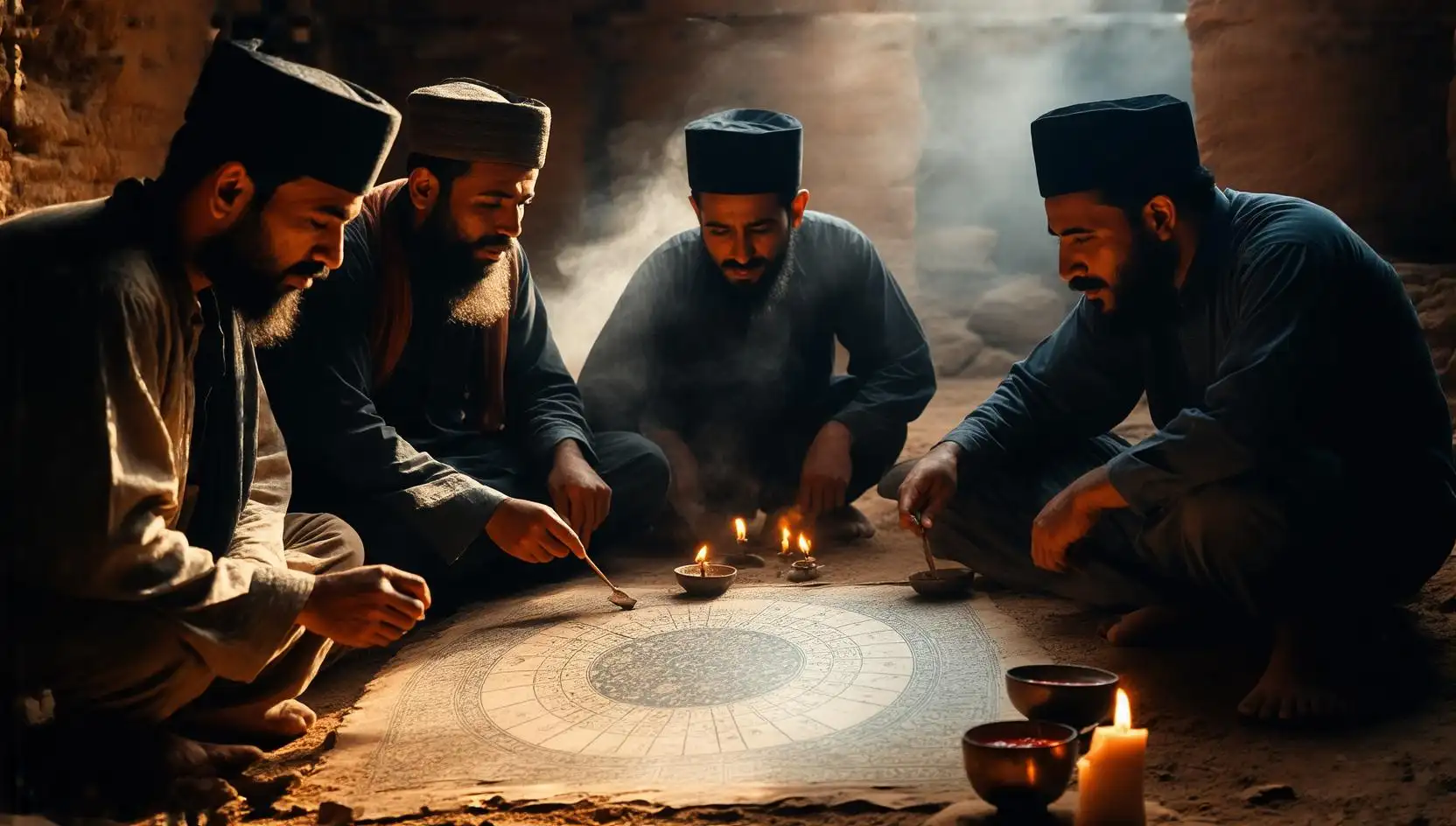
From Vedic temples to TikTok feeds, astrology in daily life demonstrates remarkable adaptability across South and Southeast Asia. The IN astrology culture maintains economic significance, AF astrology trends show digital resilience, and ID astrology practices achieve perfect cultural synthesis. As regional populations navigate modernization, celestial guidance remains both compass and comfort - proving that in an algorithm-driven world, planetary wisdom still holds sway.
【Disclaimer】The content regarding How Astrology Influences Daily Life in South and Southeast Asia is provided for informational purposes only. Readers should consult qualified professionals for personal guidance. The author and publisher disclaim liability for any actions taken based on this information.
Khan
|
2025.09.11


