

 Feed back
 Privacy Policy
In the dense jungles of Mesoamerica, where ancient pyramids align with celestial movements, the Maya developed one of history's most sophisticated timekeeping systems rooted in cosmic mythology. The intricate relationship between Mayan Star Myths and Their Calendar Systems reveals how celestial observations shaped not just their measurement of time but their entire worldview. This article explores how astronomical precision merged with sacred narratives to create a calendar that guided agricultural cycles, religious ceremonies, and royal decisions.
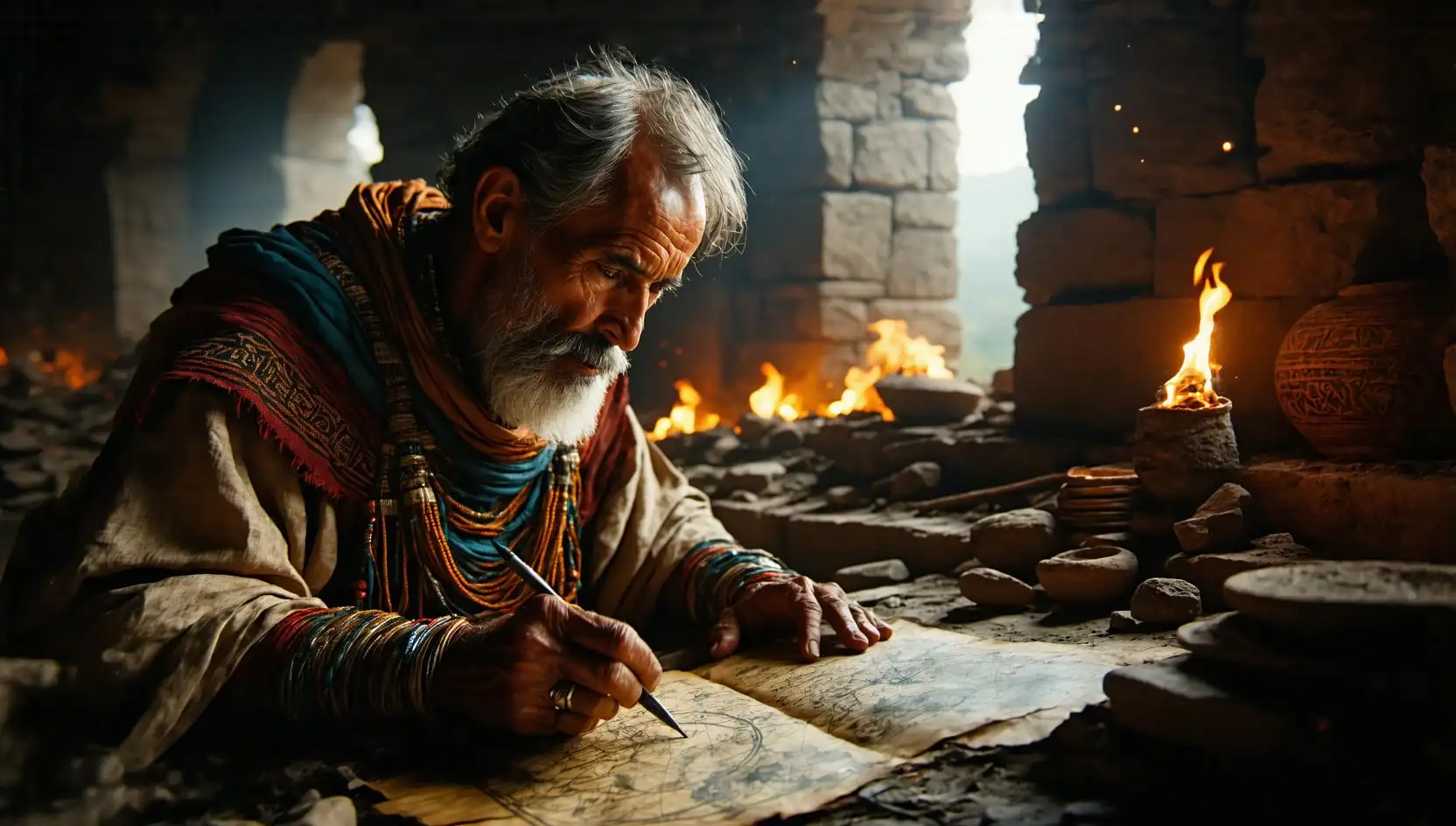
The Popol Vuh, the sacred Maya text, presents celestial bodies as divine actors whose movements dictated terrestrial events. Venus (associated with Kukulkan) was particularly significant, with its 584-day cycle meticulously recorded in temple alignments and calendar calculations. At Chichén Itzá, the famous equinox phenomenon where shadows create the illusion of a descending serpent demonstrates how Mayan Star Myths and Their Influence on the Sacred Calendar manifested in architecture.
The Maya developed two primary calendar systems: the 260-day Tzolk'in (used for rituals) and the 365-day Haab' (solar calendar). When combined, they formed the 52-year Calendar Round. According to research from the Dresden Codex, Maya astronomers predicted Venus cycles with less than one day error over 500 years - a precision unmatched in the ancient world. This demonstrates how Mesoamerican astronomy achieved remarkable accuracy through generations of celestial observation.
Maya cities functioned as astronomical observatories, with structures precisely aligned to celestial events. The Governor's Palace at Uxmal aligns with Venus's southernmost rising, while Palenque's Temple of Inscriptions marks the winter solstice sunset. These alignments, documented in UNESCO studies of Maya sites, reveal how Mayan Star Myths and Their Calendar Systems were physically encoded in urban planning.
The New Fire Ceremony, performed every 52 years, symbolized cosmic renewal when the Calendar Round completed its cycle. Modern archaeological evidence shows these
In Guatemala's highlands and Mexico's Yucatán Peninsula, Maya communities continue using the Tzolk'in for agriculture and spiritual guidance. The 2012 phenomenon, marking the end of a 5,12-year cycle in the Long Count calendar, brought global attention to Mayan Star Myths and Their Influence on the Sacred Calendar, demonstrating their enduring cultural significance.
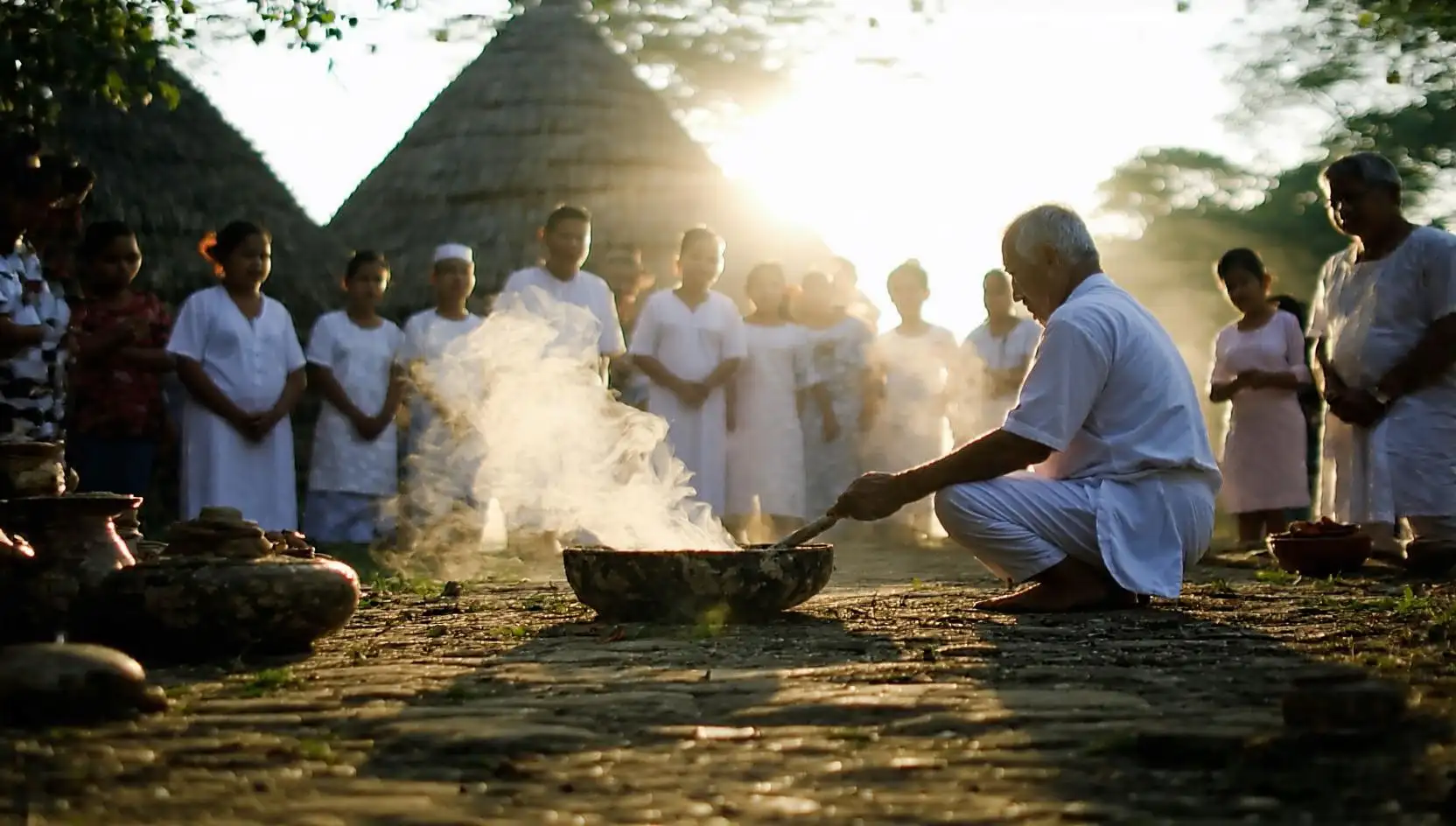
UNESCO's ongoing preservation efforts at major Maya sites recognize the value of this astronomical heritage. The Mayan Star Myths and Their Calendar Systems offer unique insights into how ancient civilizations integrated science and spirituality, providing alternative perspectives on humanity's relationship with the cosmos that remain relevant today.
How did Mayan Star Myths and Their Influence on the Sacred Calendar affect daily life?
The calendar systems dictated agricultural activities, religious ceremonies, and political decisions, with celestial events considered divine messages guiding human affairs.
What role did Mesoamerican astronomy play in the development of the Mayan calendar?
Astronomical observations of Venus, the sun, moon and stars provided the empirical foundation for the calendar's mathematical precision while maintaining spiritual significance.
Are the Timekeeping rituals still practiced today?
Yes, contemporary Maya communities in Guatemala, Belize and Mexico continue traditional calendar practices, particularly the 260-dayTzolk'in cycle for ceremonial purposes.
Disclaimer: The content regarding Mayan Star Myths and the Astronomical Foundations of the Calendar is provided for informational purposes only. While we strive for accuracy, the information should not be considered complete or authoritative. Readers should consult qualified experts for professional advice. The authors and publishers assume no responsibility for any actions taken based on this information.
Lopez
|
2025.08.12


