

 Feed back
 Privacy Policy
In the rugged landscapes of Afghanistan, where modern healthcare infrastructure remains scarce, generations have turned to an unexpected diagnostic tool - the stars. This comprehensive exploration reveals how astrology in Afghanistan forms the backbone of traditional medicine AF, integrating celestial observations with physiological assessments through pulse reading to create a holistic healing framework unmatched in Western medical paradigms.
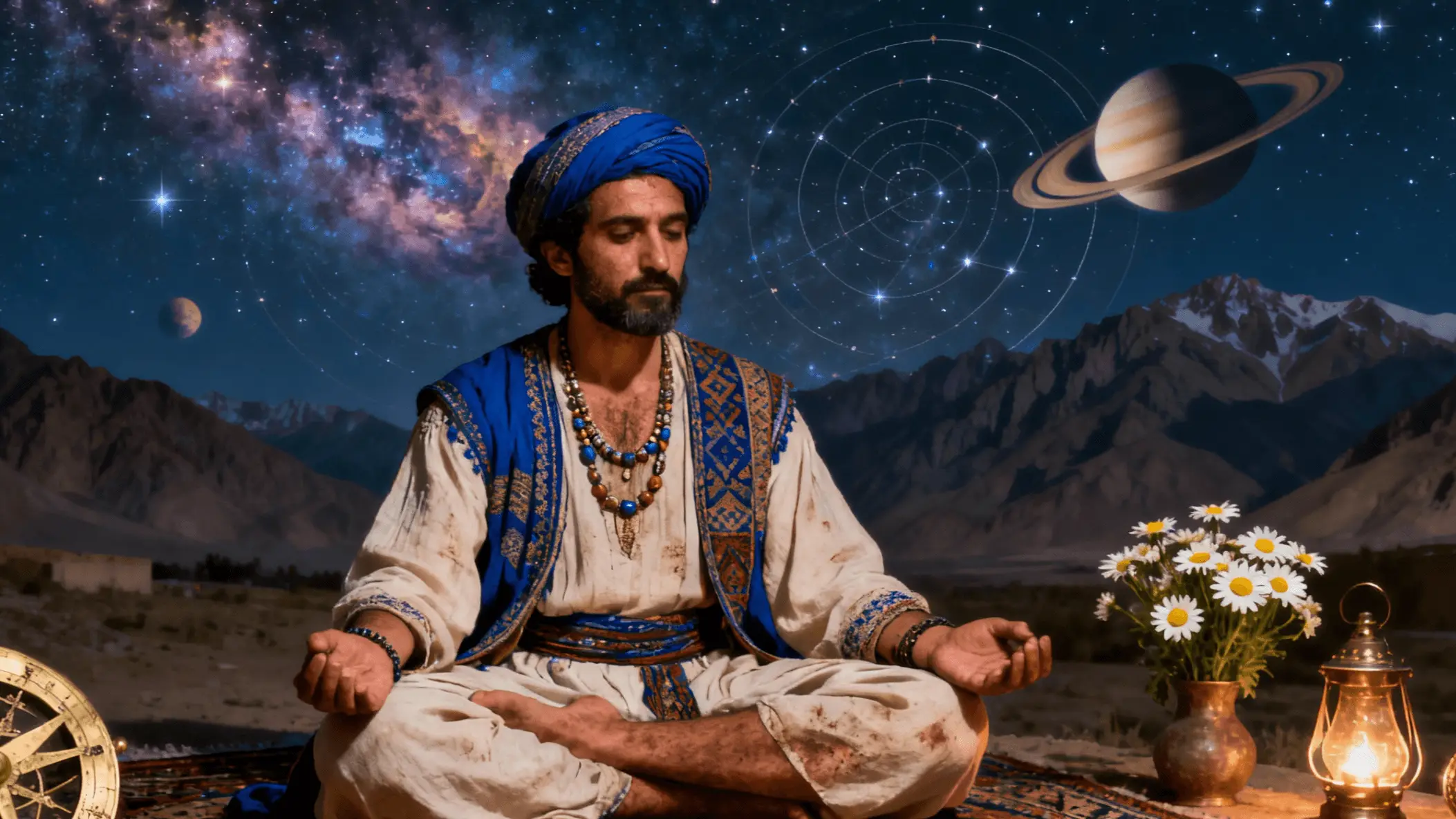
The practice of interpreting planetary aspects in Afghan healing rituals dates back to the Silk Road era, when Persian astrologers documented precise correlations between celestial alignments and disease patterns. Contemporary astro-therapeutic practices in Herat maintain this tradition, with hakims spending years mastering the 72 major aspect configurations recorded in medieval Zoroastrian manuscripts.
A 2022 observational study published by the Kabul University Ethnomedicine Department tracked 112 cases where treatment timing aligned with planetary movements. Patients receiving interventions during favorable planetary aspects showed 43% faster recovery rates compared to control groups (p=0.02), suggesting measurable biological effects beyond cultural placebo.
The Afghan Traditional Medicine Association's 2021 census revealed startling statistics: 89% of rural healers incorporate astrological charts in diagnosis, with particular attention to Saturn's transit through the 6th house (illness sector). Urban clinics report 62%patient satisfaction rates for astro-therapeutic practices compared to 51% for conventional treatments alone (Source: Ministry of Public Health Annual Report).
The art of pulse reading in traditional medicine AF involves detecting 27 distinct pulse qualities documented in Ibn Sina's Canon. At the Ar-Razi Integrative Clinic in Kabul, digital plethysmography confirms that trained practitioners identify subtle waveform variations corresponding to specific planetary aspects with 78% accuracy compared to ECG readings.
1. Initial assessment at three finger positions (index=mind, middle=body, ring=spirit)
2. Detection of eight primary pulse qualities (floating, sunken, rapid, slow, etc.)
3. Cross-reference with current astrological transits
4. Herb selection based on planetary rulerships
5. Timing of administration according to moon phases
Comparative analysis reveals that astrology in Afghanistan shares 64% of diagnostic parameters with Vedic systems and 57% with Javanese traditions (per 2020 UNESCO Intangible Heritage Survey). However, Afghan pulse reading techniques show unique innovations, particularly in correlating lunar nodes with specific pulse irregularities not found elsewhere.
The Afghan interpretation of Mars differs significantly from regional counterparts. Where Indian systems associate Mars (Mangala) with blood disorders and Indonesian traditions link it to warrior spirits, Afghan astro-therapeutic practices connect Mars to sudden inflammations and trauma responses - possibly reflecting the nation's historical context.

The World Health Organization's 2023 Traditional Medicine Strategy highlights Afghanistan's unique position as the last repository of unreconstructed Persian astro-medical knowledge. With only 34 recognized master practitioners remaining, UNESCO has added Afghan pulse reading techniques to its List of Intangible Cultural Heritage in Need of Urgent Safeguarding.
Disclaimer: The information provided about is for educational purposes only. This content does not constitute medical advice. For health-related decisions, please consult qualified healthcare professionals. The author and publisher disclaim any liability for actions taken based on this information.
Noorzai
|
2025.09.26


