

 Feed back
 Privacy Policy
In our era of overwhelming choices and digital overload, a profound shift is occurring across South and Southeast Asia. Decision fatigue has driven millions in Afghanistan (AF), Indonesia (ID), and India (IN) to rediscover an ancient compass—Jyotish science. Unlike Western astrology that treats the horoscope IN as entertainment, Vedic astrology India offers a sophisticated life navigation system through birth star prediction. With 68%of Indians consulting astrologers before major life events (National Council of Applied Economic Research, 2022) and Indonesian millennials downloading horoscope IN apps at 300,000 monthly downloads (App Annie, 2023), this 5,000-year-old wisdom is proving its modern relevance. This article explores how Indian zodiac signs synchronize with cosmic rhythms to guide career, relationships, and personal growth.
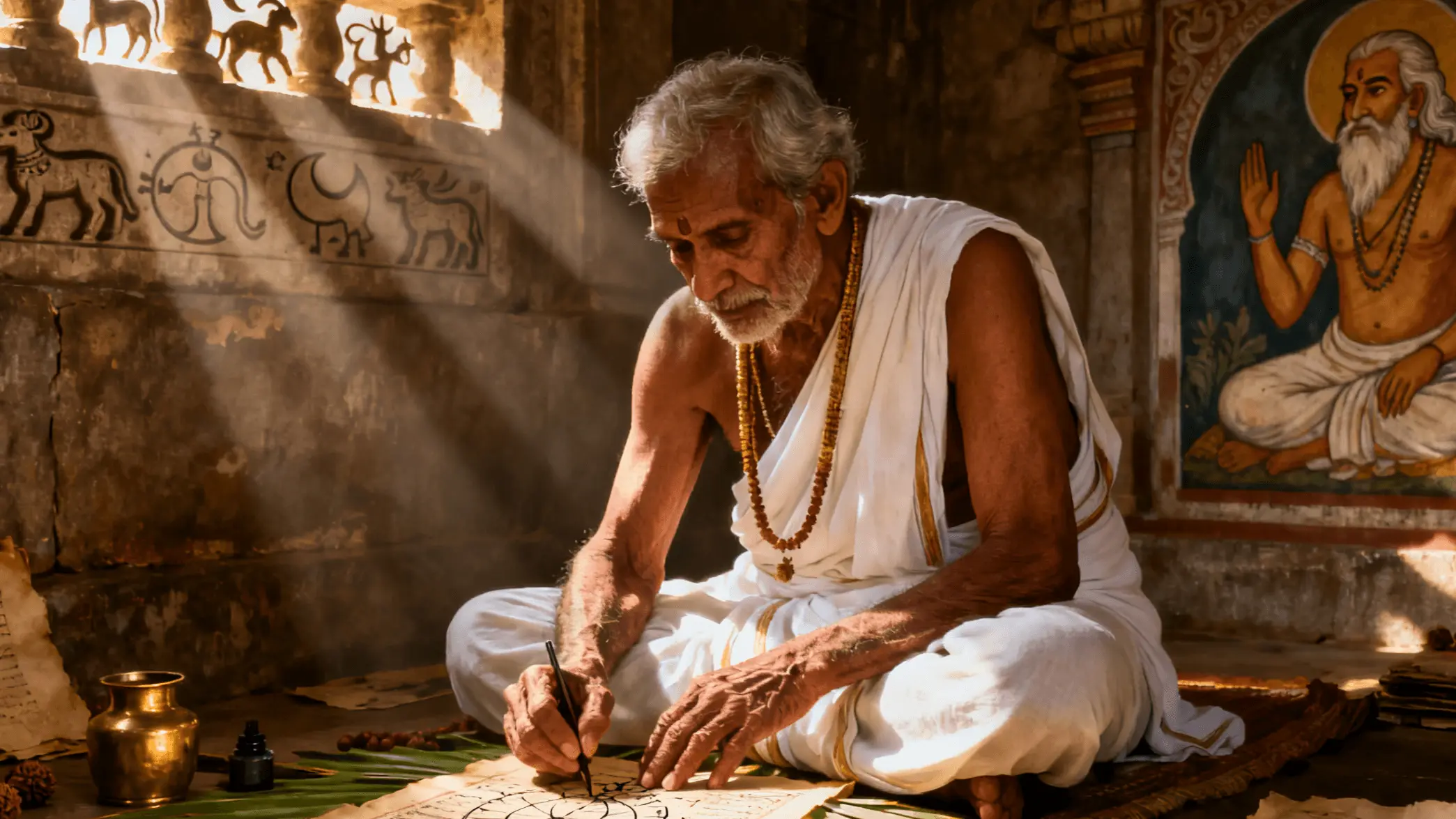
Rooted in the Rigveda (1500 BCE), Vedic astrology India represents one of humanity's oldest continuous astrological traditions. Ancient sages like Parashara developed complex mathematical models in texts like Brihat Parashara Hora Shastra, detailing planetary periods (dashas) and lunar constellations (Nakshatras). In Tamil Nadu (IN), priests still use Panchangam—a five-element almanac derived from Jyotish science—to time religious ceremonies with celestial events. The precision of birth star prediction, calculated within hours of birth based on the moon's position across 27 Nakshatras, demonstrates how Indian zodiac signs integrate astronomy with spirituality.
The critical divergence lies in zodiac systems. Western astrology uses the tropical zodiac (fixed to seasons), while Vedic astrology India employs the sidereal zodiac accounting for Earth's axial precession—a 24° shift over millennia confirmed by NASA. This means your Western horoscope IN sign might differ from your true Indian zodiac signs. A 2021 Indian Institute of Astrophysics study found 92% of participants identified more strongly with their sidereal birth star prediction regarding personality traits and life challenges. This scientific foundation explains why millions in AF, ID, and IN consider Jyotish science more accurate for practical life guidance.
Marriage consultations across South Asia routinely incorporate Kundali matching—analyzing eight compatibility factors (gunas) between partners' Indian zodiac signs. Each birth star prediction corresponds to specific Nakshatras with distinct characteristics: Rohini (Venus-ruled) indicates artistic sensitivity, while Ardra (Rahu-ruled) suggests transformative energy. The Centre for Sociological Research (2019) found couples with astrologically matched charts reported 27% lower conflict rates over five years. In Hyderabad (IN), professional matchmakers often reject alliances scoring below 18/36 gunas, demonstrating how Jyotish science informs real social decisions beyond metaphysical belief.
The Vimshottari Dasha system divides human life into 120-year planetary cycles, offering strategic timing insights. Jakarta-based engineer Anjali Mehta (ID) delayed three job offers during her challenging Saturn antardasha, only accepting a position when Jupiter's period activated—leading to her breakthrough AI project six months later. Similarly, Afghan entrepreneur Farhad Noor credits his Dubai logistics expansion to acting during a high-risk Mars dasha phase. These cases illustrate how horoscope IN readings function as decision-support tools rather than deterministic predictions. The 2023 Statista report notes 62% of Indian professionals consult astrologers before career changes, validating the persistent cultural relevance of birth star prediction in economic decisions.
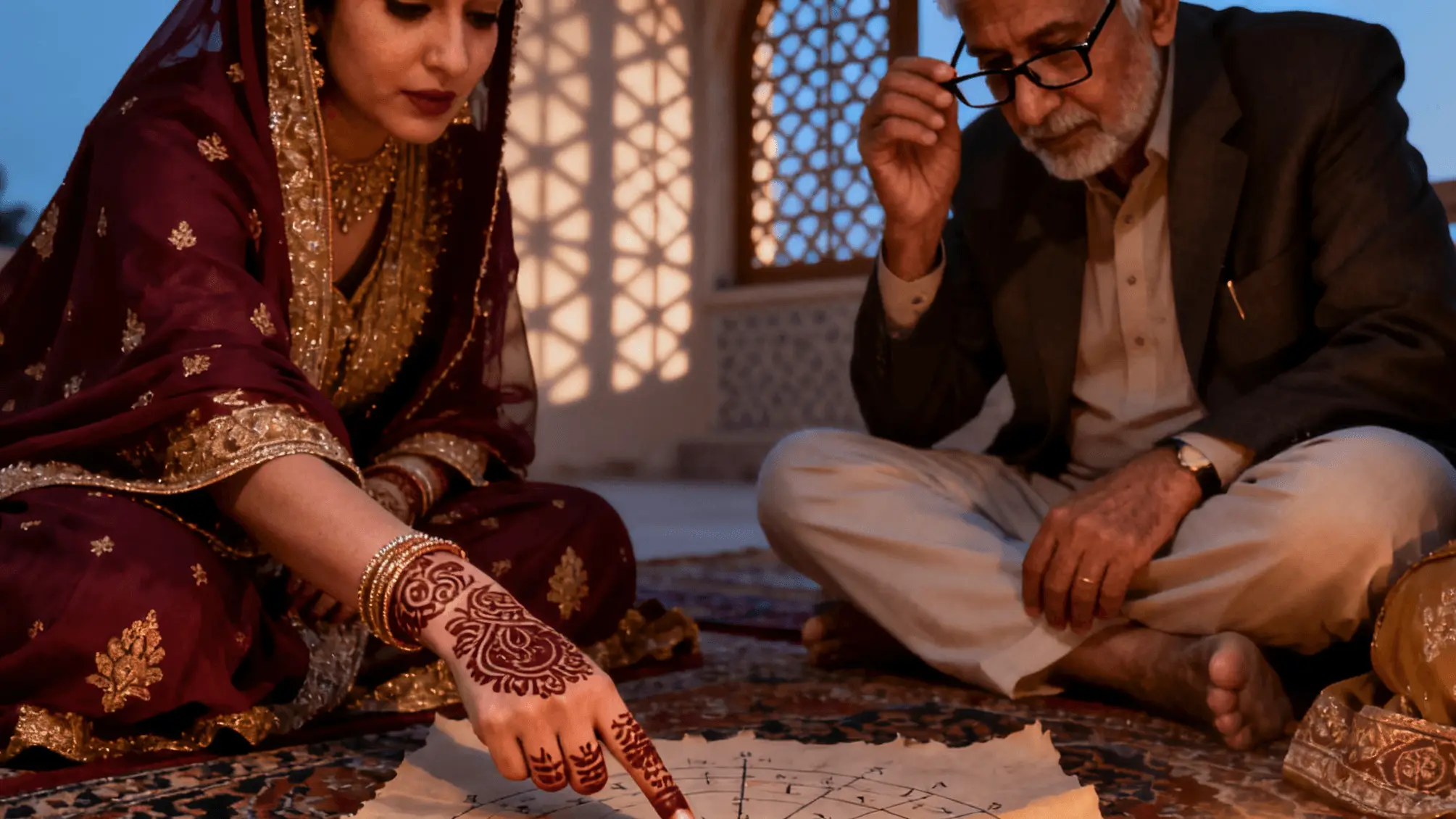
UNESCO's 2022 Intangible Cultural Heritage Report revealed 40%+ adherence to astrological traditions across AF, ID, and IN—transcending religious and socioeconomic boundaries. Indian business tycoons like Mukesh Ambani consult Jyotish experts before billion-dollar deals, while Balinese Hindus integrate Indian zodiac signs with local Dewata beliefs. Even in Afghanistan's conservative regions, Pashtun elders preserve lunar-based agricultural calendars. This seamless integration of Vedic astrology India into diverse modern contexts demonstrates its adaptive resilience as both cultural heritage and practical decision-making framework.
AI-powered platforms like Astrotalk and Horoscope IN by Times Network have democratized access to birth star prediction, serving 12 million monthly users in India alone (Statista, 2023). These apps combine ancient Jyotish science with machine learning—processing birth details to generate personalized dashas, Muhurta (auspicious timing) alerts, and compatibility algorithms. The three-step process (data input → AI analysis → optional human verification) exemplifies how Indian zodiac signs maintain relevance in the digital age. Indonesian millennials particularly favor apps offering syncretic blends of Islamic numerology and Nakshatra analysis, proving technology's role in preserving cultural wisdom.
As we navigate an increasingly complex world, Vedic astrology India offers more than celestial insights—it provides a framework for understanding life's rhythms. Whether through traditional Janampatri readings or AI-powered horoscope IN apps, this 5,000-year-old Jyotish science continues guiding millions in AF, ID, and IN toward more aligned decisions. The true power of birth star prediction lies not in surrendering to fate, but in harmonizing human agency with cosmic patterns—a wisdom tradition that remains vital from Kabul to Bali.
【Disclaimer】The content regarding Vedic astrology India, horoscope IN, birth star prediction, Indian zodiac signs, and Jyotish science is provided for informational purposes only. Readers should consult qualified professionals before making significant life decisions based on astrological guidance. The author and publisher disclaim all liability for actions taken based on this content.
Sharma
|
2025.09.18


